
The Backbone of Modern Life: Why Fiber Internet Deserves a Place in Every Infrastructure Plan
Building for the Future Starts Below the Surface
When people envision modern infrastructure, they often think of roads, transit lines, power grids, and water systems. These are the visible signs of progress—tangible and easy to quantify. But increasingly, the most important infrastructure is the kind we don't see: the fiber-optic cables running beneath our feet that power the digital world. As cities, towns, and private developments lay out their future, one truth is becoming clear: fiber internet is no longer a luxury. It's essential infrastructure.
Fiber-optic networks form the digital foundation that enables nearly every facet of life and work today. They connect homes and businesses to cloud services, enable remote learning and telemedicine, and keep critical systems running during emergencies. Without high-speed, reliable internet, even the most well-planned city can fall behind. And that means fiber must be treated with the same urgency and foresight as any other essential utility.
Communities that include fiber in their infrastructure strategy don’t just support day-to-day needs—they position themselves to thrive in a fast-moving world. The power of fiber lies in its ability to scale and evolve. Unlike legacy copper networks or even fixed wireless systems, fiber has nearly unlimited bandwidth potential. That makes it the most future-proof option available, capable of handling the exponential data demands of tomorrow.
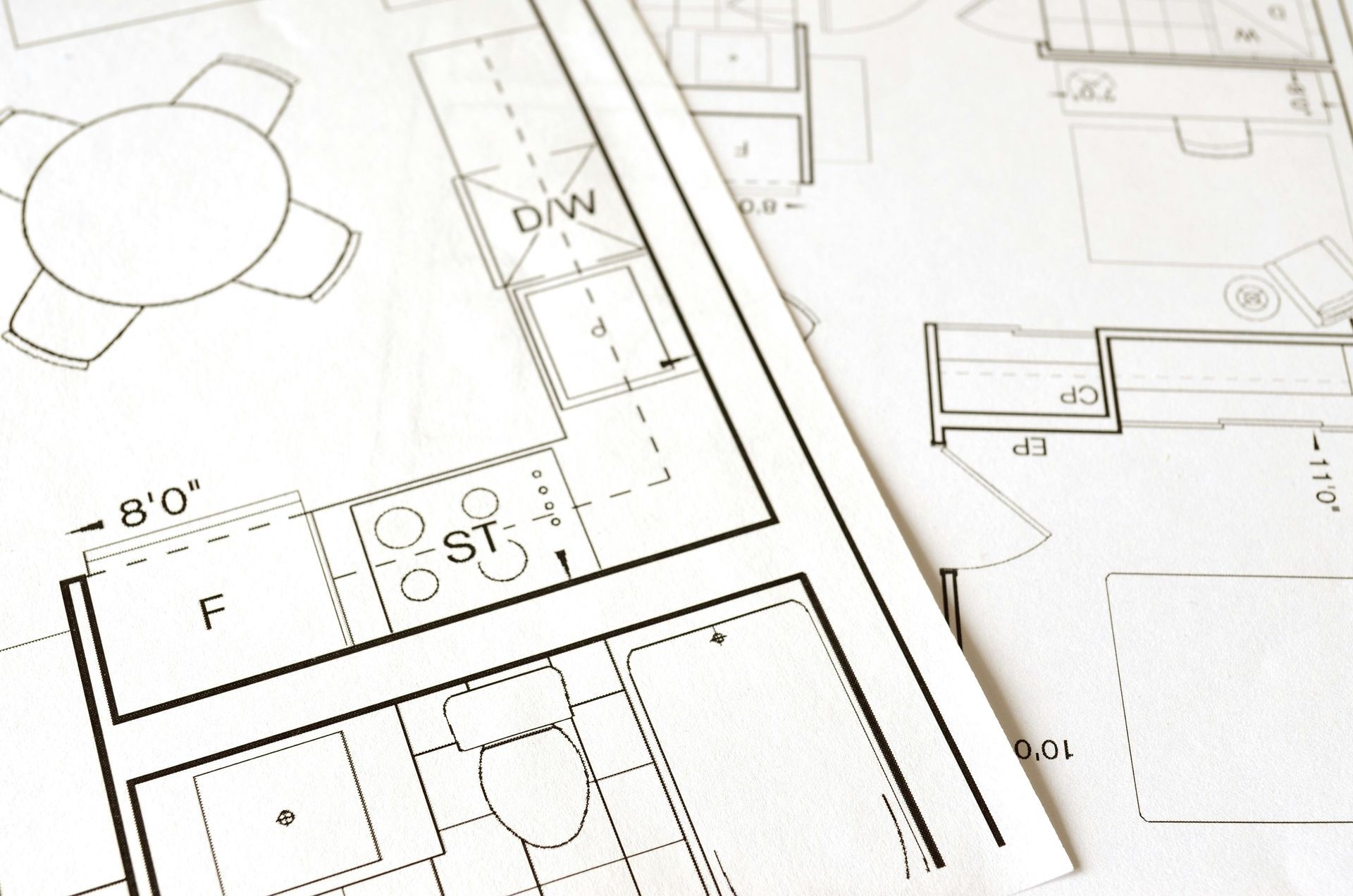
Velofi understands the role fiber plays in long-term planning. We work alongside developers, municipalities, and utility partners to embed fiber into new builds and major upgrades. Whether it’s a suburban housing development or a revitalized downtown corridor, we bring the foresight and execution to make fiber a seamless part of the blueprint. And because our work is end-to-end—from design to trenching to installation and support—we ensure communities get the full value of their investment.
Digital equity is another reason to integrate fiber into every infrastructure plan. Across the U.S., there are still countless neighborhoods where slow or no internet holds residents back. It limits educational opportunities, job prospects, and access to essential services. By building fiber into infrastructure from the ground up, planners ensure that connectivity isn't reserved for the few, but available to everyone. Equity begins with access, and access begins with a strong network.
Fiber also plays a critical role in energy, water, and public safety systems. Smart meters, sensors, and remote monitoring tools all rely on fast, secure connections to work properly. In a connected infrastructure model, these systems generate real-time data that helps cities manage resources more efficiently. Fiber is the only option that provides the reliability and capacity to make these smart systems work together seamlessly.
As climate resilience and sustainability become central to infrastructure conversations, fiber again proves its worth. High-performance internet allows more people to work remotely, reducing emissions from commuting. It supports virtual collaboration, digital public meetings, and paperless processes that cut down on waste. Even smart traffic systems powered by fiber can help cut congestion and improve air quality.
Fiber's durability also contributes to a city's resilience. Fiber-optic cables are immune to electromagnetic interference, more resistant to weather impacts, and longer-lasting than most other telecommunications options. When disaster strikes, whether it’s a storm, flood, or fire, fiber infrastructure often holds up better, enabling emergency services and citizens to stay connected.
As we head into the final months of the year, city councils, developers, and civic leaders are looking at what comes next. For those setting goals for 2026 and beyond, now is the time to act. Embedding fiber into infrastructure planning isn’t just good policy—it’s smart economics, social responsibility, and a commitment to building communities that can weather whatever the future holds.
At Velofi, we don’t see fiber as an add-on. We see it as the backbone of modern life. And we’re ready to help every community treat it that way.
Because progress begins with connection—and connection begins with fiber.